
How to Film Authentic Pupil Interviews | School Video Guide
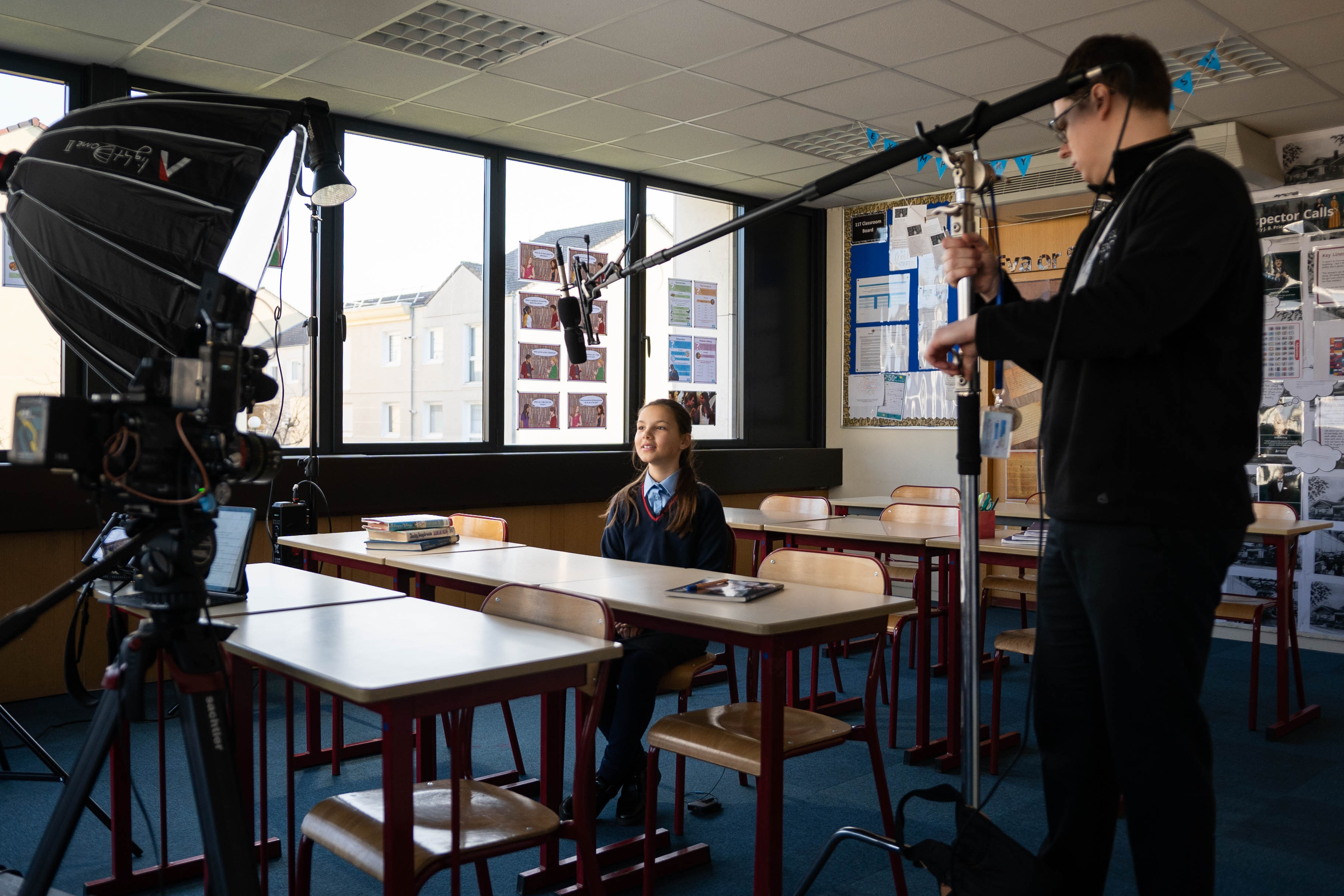
How to Get Authentic Pupil Interviews on Camera
Authentic pupil interviews come from creating a relaxed, safe environment and having a genuine conversation rather than asking children to repeat polished marketing lines. Use open questions, ask for stories rather than statements, follow interesting answers, allow imperfection and keep the filming environment calm. Appropriate school permissions, supervision and safeguarding procedures should always be in place.
The quickest way to get a bad interview from a pupil is often to tell them exactly what you want them to say.
Suddenly they’re no longer having a conversation.
They’re trying to remember the correct answer.
Their language changes.
Their personality disappears. They start checking whether they’ve said the line properly.
And the audience can normally feel it.
After years of filming with pupils of different ages, we’ve found that authenticity comes much more from the environment you create than the script you write.
Should you script pupil interviews?
It’s completely understandable that a school wants certain messages communicated.
But instead of giving a pupil the sentence, build questions that naturally explore the subject.
Their answer may not use the exact words in the marketing strategy.
That’s often a good thing.
Talk before the camera rolls
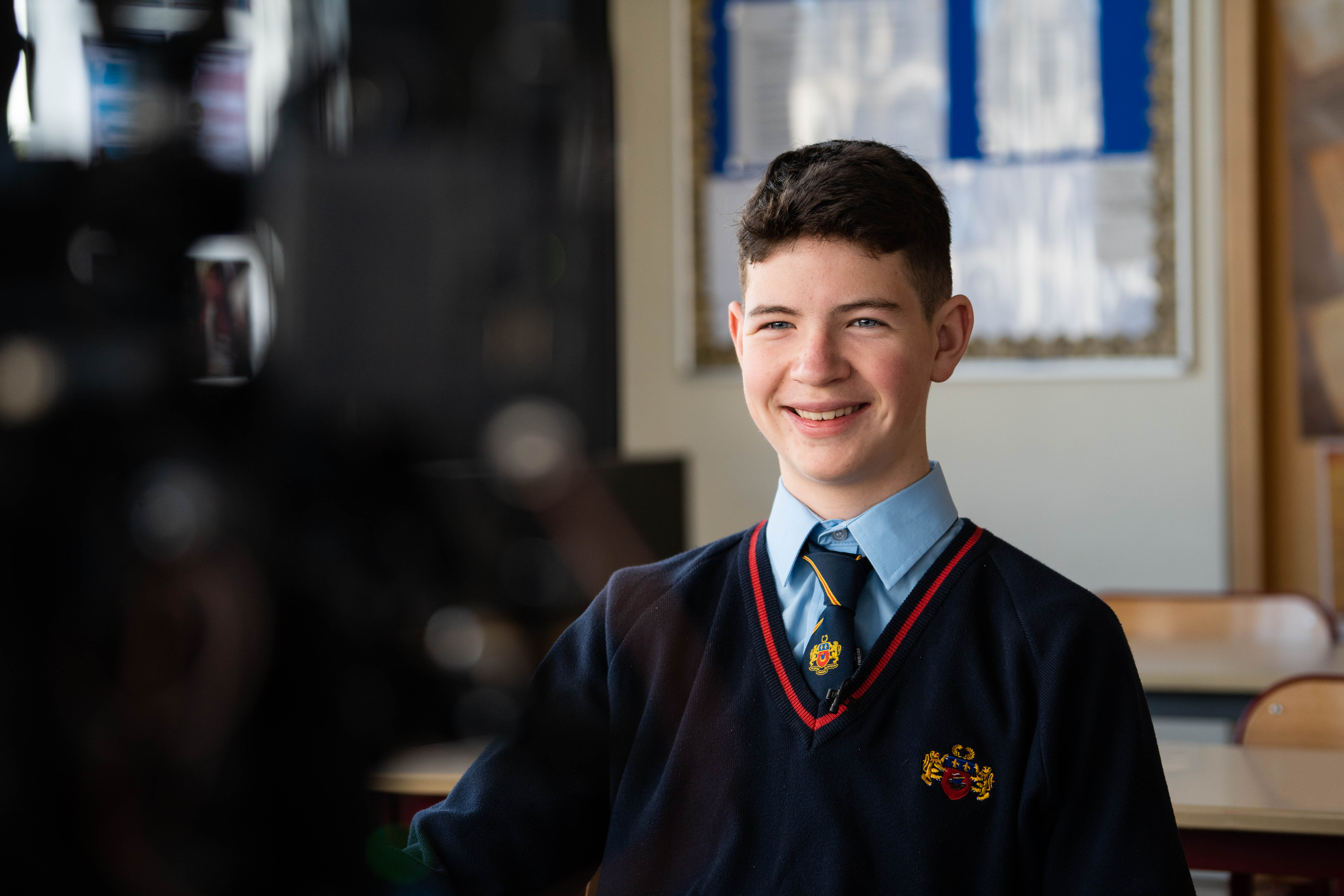
Spend a little time talking first.
Ask about their day. Their interests. What they’ve been doing.
The aim is to reduce the feeling that they’ve suddenly entered an interview room where they are being tested.
Ask questions that generate stories
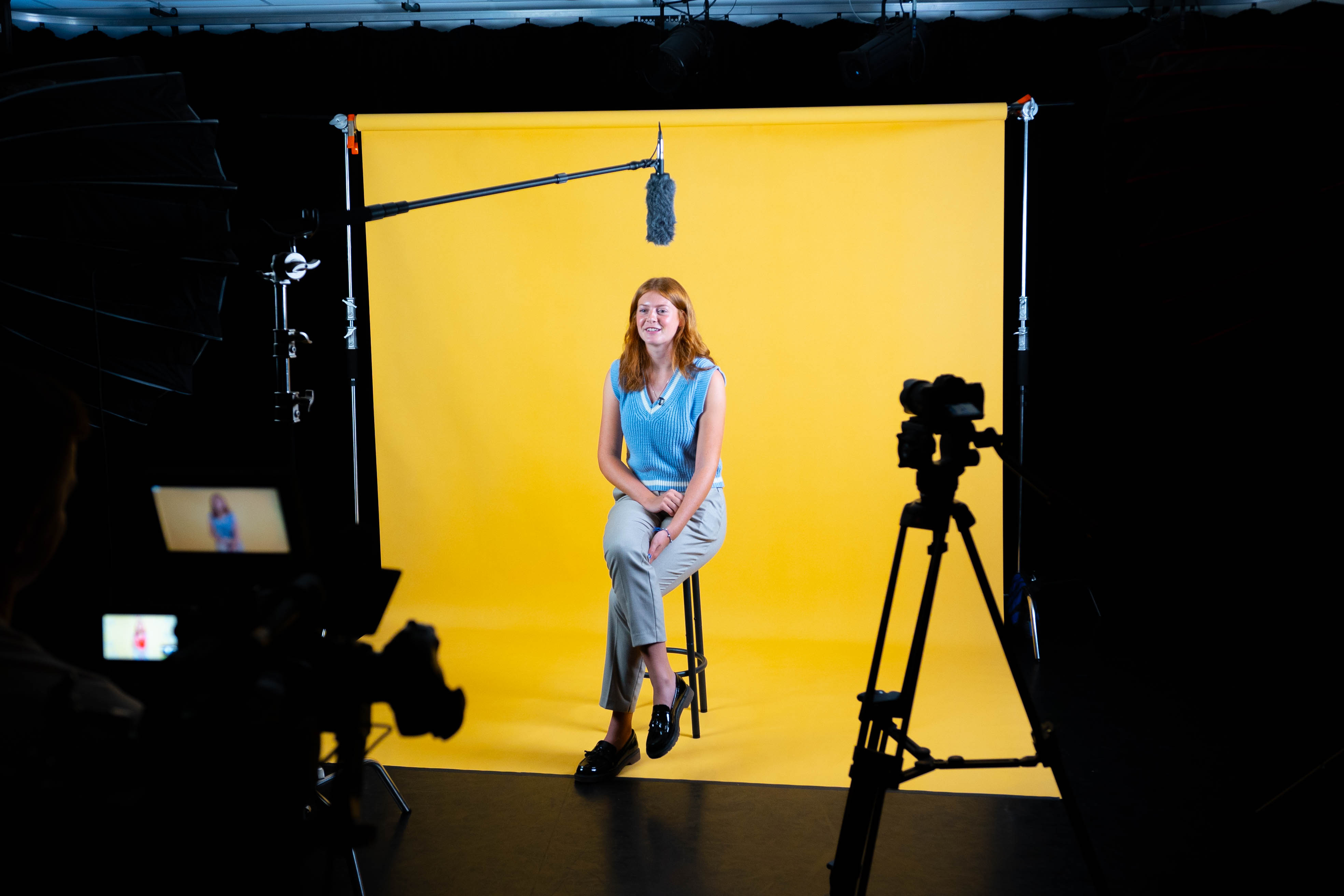
“What are the school’s core values?” may generate a rehearsed response.“Tell me about a time somebody here helped you” might generate a story.
Stories are normally more interesting than statements.
Follow the interesting answer
The best interview question is often the one you didn’t plan.
If a pupil says something funny, surprising or emotional, follow it.
Don’t rush back to the question sheet simply because there are 15 questions left.
Allow imperfection
Pupils don’t need to sound like professional presenters.
They can pause. They can laugh. They can start again.
Sometimes those imperfections are exactly what make the audience trust the answer.
Keep the filming environment calm
A huge crew, bright lights and ten adults watching can understandably make a young person nervous.
Where possible, create a calm set and keep unnecessary people away from the interview area.
Safeguarding comes first
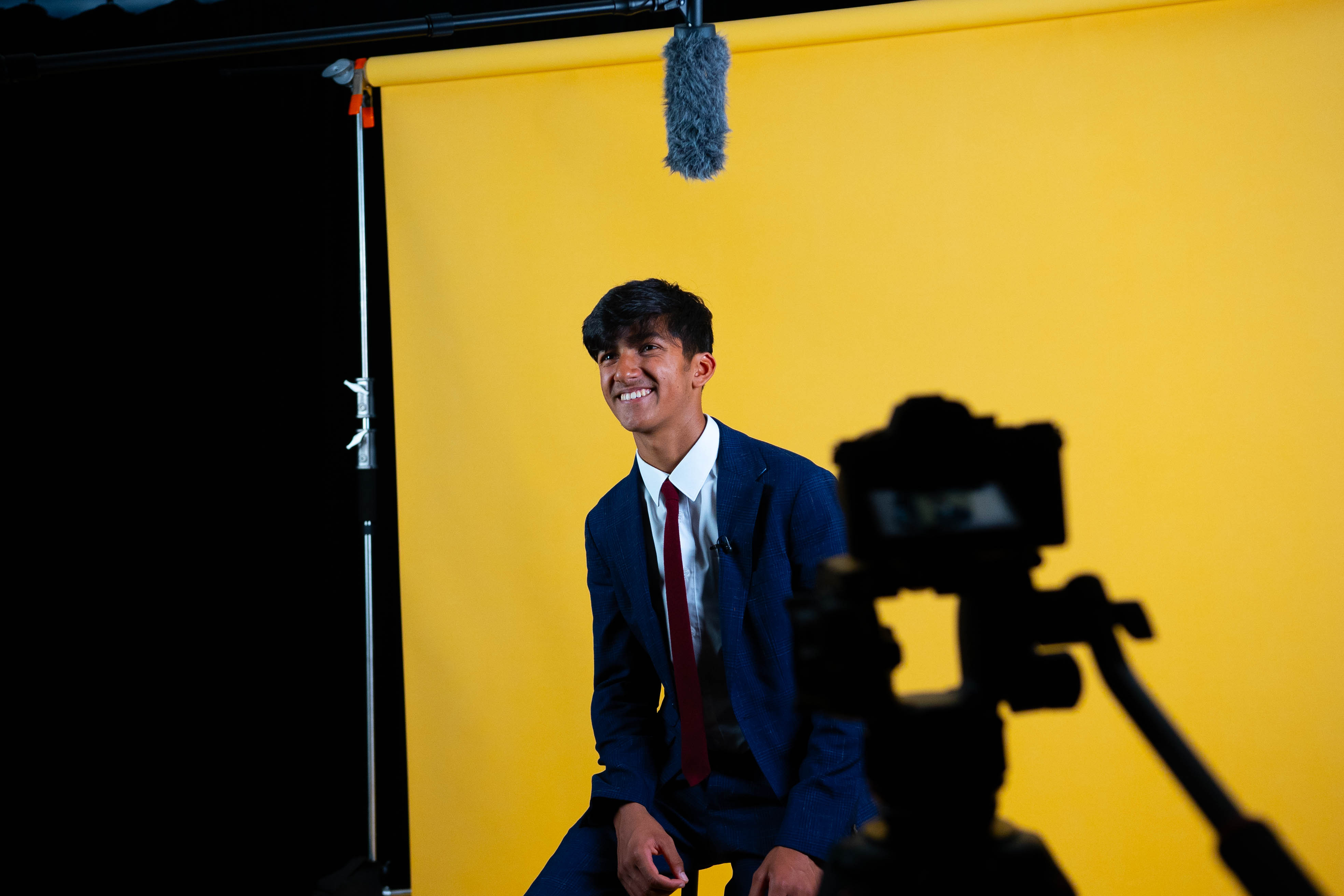
Schools should ensure appropriate permissions, safeguarding procedures and supervision are in place for filming.
A production company working regularly in education should understand how to operate sensitively and professionally around children and young people.Always follow the school’s own safeguarding and consent procedures for the specific production.
The goal isn’t a perfect interview
It’s a truthful one.
The best pupil interviews often contain language no copywriter would have written and that’s exactly why they work.
FAQ
Q: Should pupils receive interview questions in advance?
A: It depends on the pupil and subject. Giving broad themes can help some contributors feel comfortable, but rehearsing exact answers can make responses less natural.
Q: What are good questions for pupil interviews?
A: Questions that invite specific experiences tend to work well: “What surprised you when you arrived?”, “Tell me about a teacher who has helped you” or “What would you tell someone joining next year?”
Q: How many pupils should appear in a school film?
A: There is no ideal number. Choose contributors who genuinely help tell the story rather than trying to represent every year group or activity equally.