
7 Types of School Marketing Video to Consider

7 Types of Video Every School Marketing Team Should Consider
The most useful types of school marketing video include flagship brand films, pupil stories, parent testimonials, admissions explainers, social-first video, paid campaign creative and ongoing school-life content. Schools do not need every format; the right mix depends on the audience, marketing objective and stage of the prospective-family journey.
When a school says, “We need a video”, our first question is normally: what does it need to do?
There isn’t one type of school film that solves every marketing challenge.
A strong video strategy uses different content at different points in the prospective-family journey.Here are seven formats worth considering.
1. The school brand film
The flagship piece.
A brand film should communicate the bigger idea behind the school: its personality, values, ambition and the experience it offers pupils.
This often sits prominently on the website and can also support open days, presentations and wider campaigns.
2. Pupil story films
Rather than trying to represent every pupil in one film, individual stories allow you to go deeper.They can show different interests, personalities, journeys and experiences while giving prospective families real voices to connect with.
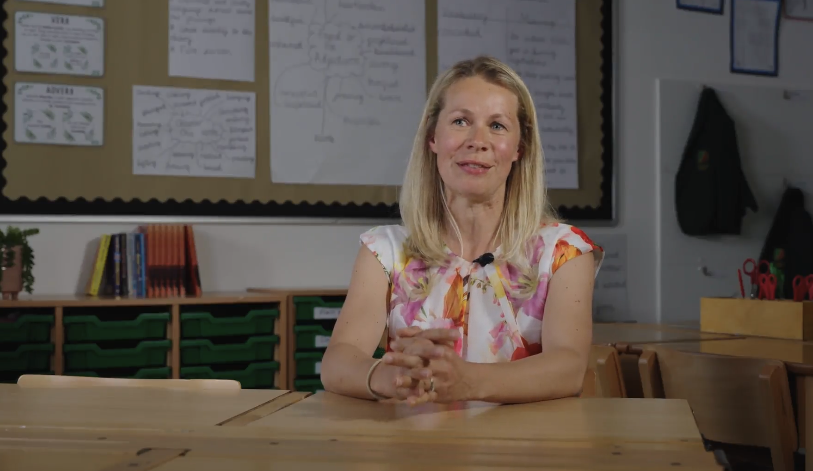
3. Parent testimonials
Parents are often asking questions other parents are best placed to answer.
Why did you choose the school?
What surprised you?
How did your child settle?
What difference has the school made?
Handled naturally, parent stories can provide powerful reassurance and social proof.
4. Admissions explainers
Not every film needs to be cinematic brand storytelling.
Sometimes clarity is the objective.
Short films can explain transition, admissions, boarding, Sixth Form choices, scholarships, bursaries or other practical subjects families regularly ask about.
5. Social-first video
Social content should ideally be designed for the platform rather than simply being an extract from the main film.
Vertical framing, stronger openings and more focused stories can help the content feel appropriate to the environment where it is being watched.
6. Paid campaign creative
Paid video has a very specific job.It may need to stop someone scrolling, communicate one idea quickly and encourage a next action such as registering for an open day.
Trying to make a flagship brand film perform the same job can be inefficient.
7. Ongoing school-life content
Some of the most valuable stories happen throughout the academic year.
Productions, trips, competitions, performances, results, events, pupil achievements and everyday school life can all create opportunities for timely content.An ongoing content approach can prevent the school’s channels relying on the same flagship film for several years.
H2: Which school marketing videos do you actually need?
Probably not all seven immediately.
Start with the school’s priorities.
What are you trying to change?
Which audiences matter most?
Where are the gaps in the current content library?
Then build a plan around those needs.
The objective shouldn’t be to create more video for the sake of it.
It should be to create the right content for the right audience at the right point in their journey.
FAQ
Q: What video should a school create first?
A: If the school lacks a strong flagship expression of its positioning, a brand film may be the logical starting point. If the brand is already well represented, a specific admissions or campaign need may deserve priority instead.
Q: Should schools post video regularly?
A: Regular video can be valuable when it supports genuine stories and marketing objectives. Frequency alone should not be the goal; a sustainable content plan is more useful than publishing low-value video simply to maintain a schedule.
Q: Can one production create several of these formats?
A: Yes. When the requirements are mapped before filming, a production can capture material for several purposeful outputs across brand, admissions, social and campaigns