
What Makes a Great School Promotional Film?
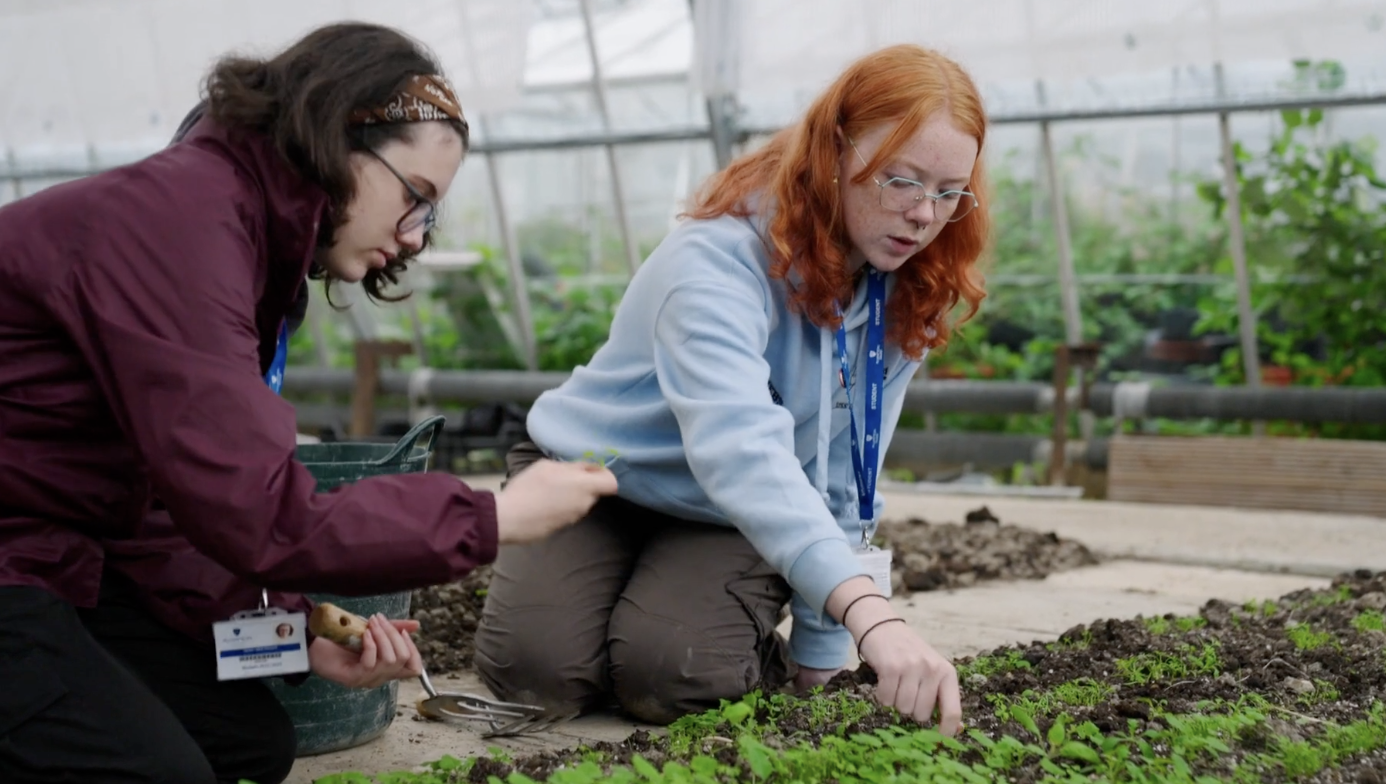
What Makes a Great School Promotional Film?
A great school promotional film does more than show facilities. It gives prospective families a genuine sense of the people, culture and experience of the school. The strongest films begin with a clear marketing objective, identify what is genuinely distinctive about the school, capture authentic moments and voices, and are planned around how and where families will actually watch the content.
The best school promotional films aren’t really about schools. They’re about people. That might sound strange. Of course the campus, curriculum, facilities and opportunities matter. But a prospective family isn’t simply choosing a building or timetable. They’re trying to imagine a future.
Can I see my child here?
Will they be happy?
Will somebody know them?
Will they find their people?
Who might they become?
After working with more than 50 educational institutions, this is something we’ve become increasingly convinced of at Feel Good Films: a strong school film should help answer those questions emotionally rather than simply listing everything the school offers.
What should a school promotional film achieve?
Before discussing cameras, locations or film length, define the job of the film
.Are you trying to:
• Increase admissions enquiries?
• Change an outdated perception?
• Communicate a new positioning?
• Reach international families?
• Explain a particular educational philosophy?
• Support an open-day campaign?
• Build awareness among families who don’t yet know the school?
Without a clear objective, it’s very easy to create a beautiful film that doesn’t actually solve anything.
What makes a school film distinctive?
Without a clear objective, it’s very easy to create a beautiful film that doesn’t actually solve anything.
Science labs, sports pitches, music rooms and beautiful grounds can all look fantastic on film.
But facilities alone rarely communicate the full personality of a school.
Another school can build a new theatre. They cannot replicate your pupils, teachers, relationships, traditions, humour or culture.
That is often where the most distinctive storytelling lives.
One question we find useful during creative development is:
Could this exact film have been made for another school?
If the answer is yes, there is probably more work to do.
Why do authentic moments matter?
Some of our favourite footage is often something nobody planned.
A teacher making a pupil laugh. Friends chatting between lessons. A tiny moment of reassurance before a performance. A pupil giving an answer we could never have scripted.
These moments create texture and credibility.
Good pre-production is essential, but over-controlling every second can remove the very thing you’re trying to capture: real school life.
Should pupils be scripted in a school film?
Usually, we prefer not to give pupils polished marketing statements to repeat.
Create a relaxed environment, ask good questions and allow their personalities to emerge.
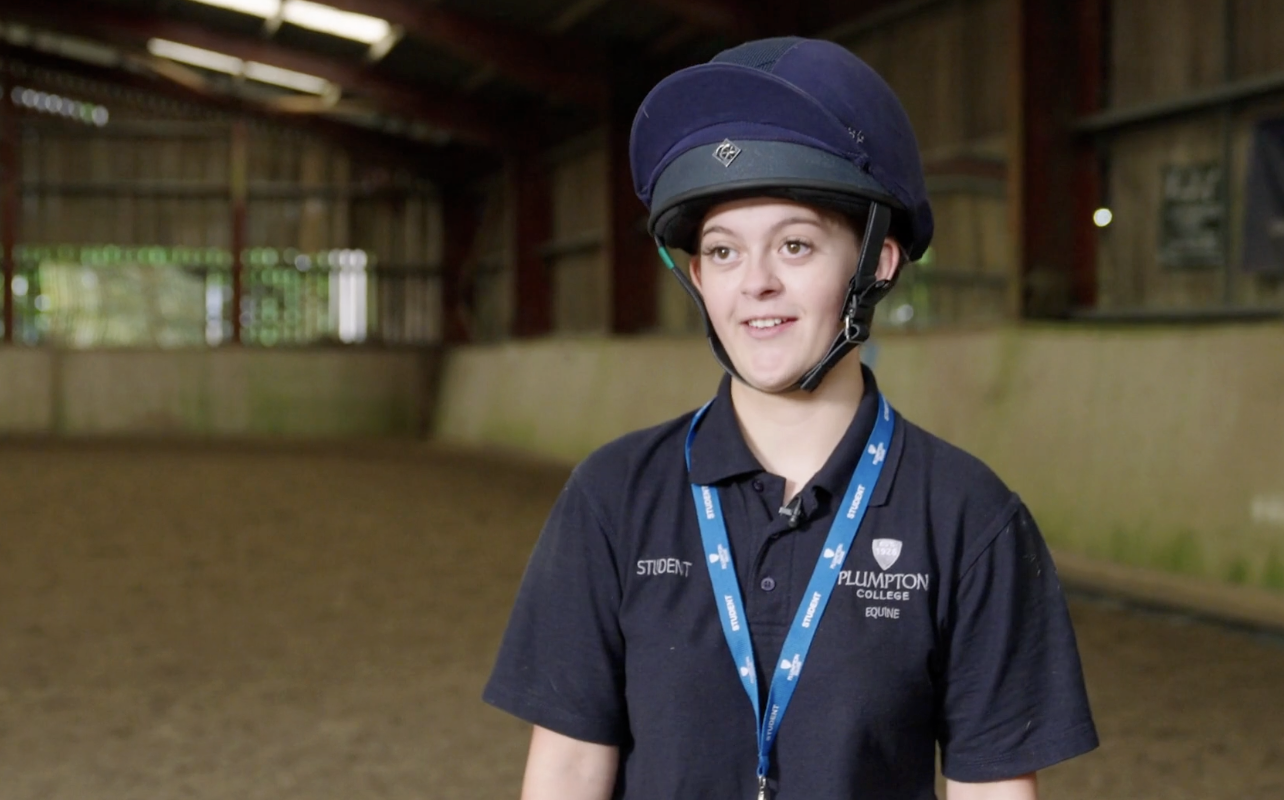
The slightly imperfect answer that genuinely sounds like a pupil is often far more powerful than the perfect corporate soundbite.
Build a story, not a checklist
The slightly imperfect answer that genuinely sounds like a pupil is often far more powerful than the perfect corporate soundbite.
A common school-film brief includes a very long list:
Academics. Sport. Music. Drama. Pastoral care. Boarding. Facilities. Results. Values. Clubs.
Trying to give every item equal screen time can result in a moving prospectus rather than a film.Instead, decide what central idea holds everything together.
A strong creative concept gives the viewer something to feel and remember.
Why should distribution be planned before filming?
Website? Instagram? LinkedIn? YouTube? Open days? Paid campaigns?
Different environments require different formats.
Planning distribution during pre-production means you can capture the right material for each platform rather than trying to retrofit everything afterwards.
The final test: does it feel true?
Perhaps the most important test is simple: does the finished film genuinely feel like the school?
The strongest school films don’t simply make a school look impressive. They make it feel unmistakably like itself.
FAQ
Q: How long should a school promotional film be?
A: There is no universal ideal length. A flagship website film may justify 90 seconds to three minutes or more, while social and paid-media films often need to communicate much faster. The audience, platform and objective should determine duration.
Q: Should a school film include interviews?
A: Only if interviews are the right storytelling device. Pupil, parent, staff and alumni voices can add authenticity and depth, but a strong school film does not automatically require talking heads.
Q: How often should a school update its promotional film?
A: Review the film whenever the school’s positioning, campus, leadership, audience or marketing priorities materially change. A wider ongoing content strategy can also prevent one flagship film carrying the entire communications burden for several years.
Planning a new school film? Feel Good Films specialises in people-first film and content for education. Tell us what you’re trying to communicate and we can explore the creative possibilities with you.